
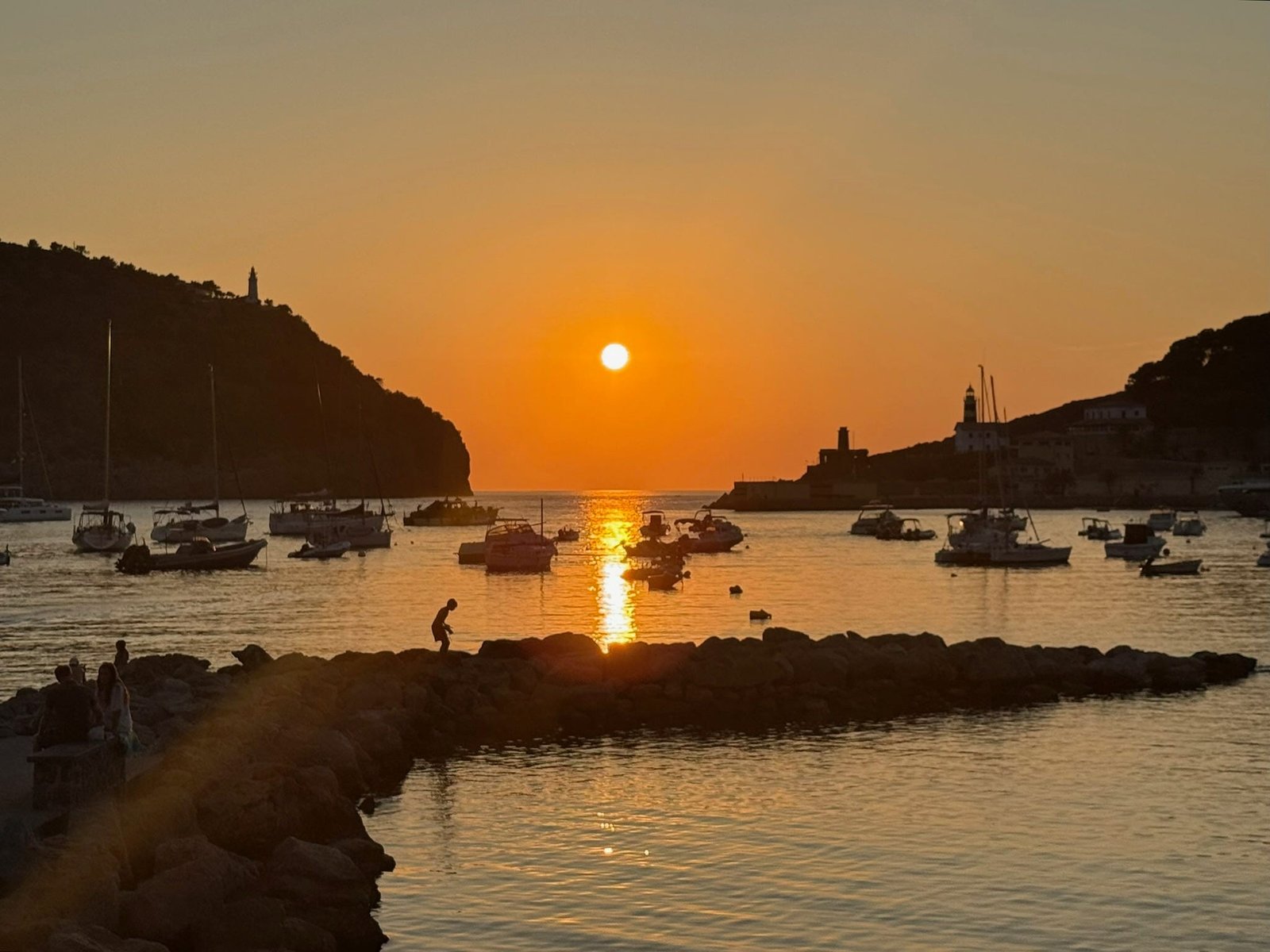
There's an old story about a businessman who meets a fisherman on a beach.
The fisherman spends his days on the water, comes home to his family, sells a little, eats well, sleeps well. The businessman sees potential. More boats, he says. More productivity. Scale it up. And he maps out the fisherman's entire future. A fleet, a company, an eventual exit.
At the end of it, the fisherman asks, “Then what?”
The businessman smiles. “Then you could retire. Fish every day. Spend time with your family.”
The fisherman looks at him. “Isn’t that what I'm doing now?”
I keep coming back to this story as I design Alluma. Because I think most of us are living the businessman's version of life. We’re running toward a future where we'll finally have time for the things that actually matter, without noticing that we don't have to wait until we're retired or richer or bigger. If we think through what we actually need and want, not what our society tells us, we could have many of those things all along.
We've built societies around growth, productivity, and independence. And in the process, we've quietly decided that needing other people is inefficient, and that more stuff makes us successful. That slowing down is a luxury we can't afford yet. That connection, beauty, and rest are things we earn after we've done enough.
Alluma is built around a different premise. That those things aren't the reward at the end. They're the point from the start.