
You can't just put people together and hope community happens.
Right now, we live in silos and focus on our own needs and pain points. We defend our strengths, unable to see the value of others or the system as a whole.
So as we design a regenerative community, we’re asking not just "how do we bring people together?" but "what systems help us connect, share our strengths, and navigate our differences safely?"
A healthy community — like any healthy ecosystem — needs different parts working together. Not just tolerating each other, but actually contributing to the whole in ways that create balance.
The challenge is: how do we design the vision, spaces, and systems that make this possible?
A vision that helps people see beyond their individual silo to the whole system. Spaces that honor privacy while creating natural opportunities for connection. Governance structures that encourage everyone to participate and give everyone a voice. Systems that allow for both stability and adaptation.
It's infinitely more complex than traditional development. There's no certification for it. No clear checklist. But it's what we're missing.
Thoughtful design that makes it easier for different people to connect, coexist, remain curious, and feel safe.
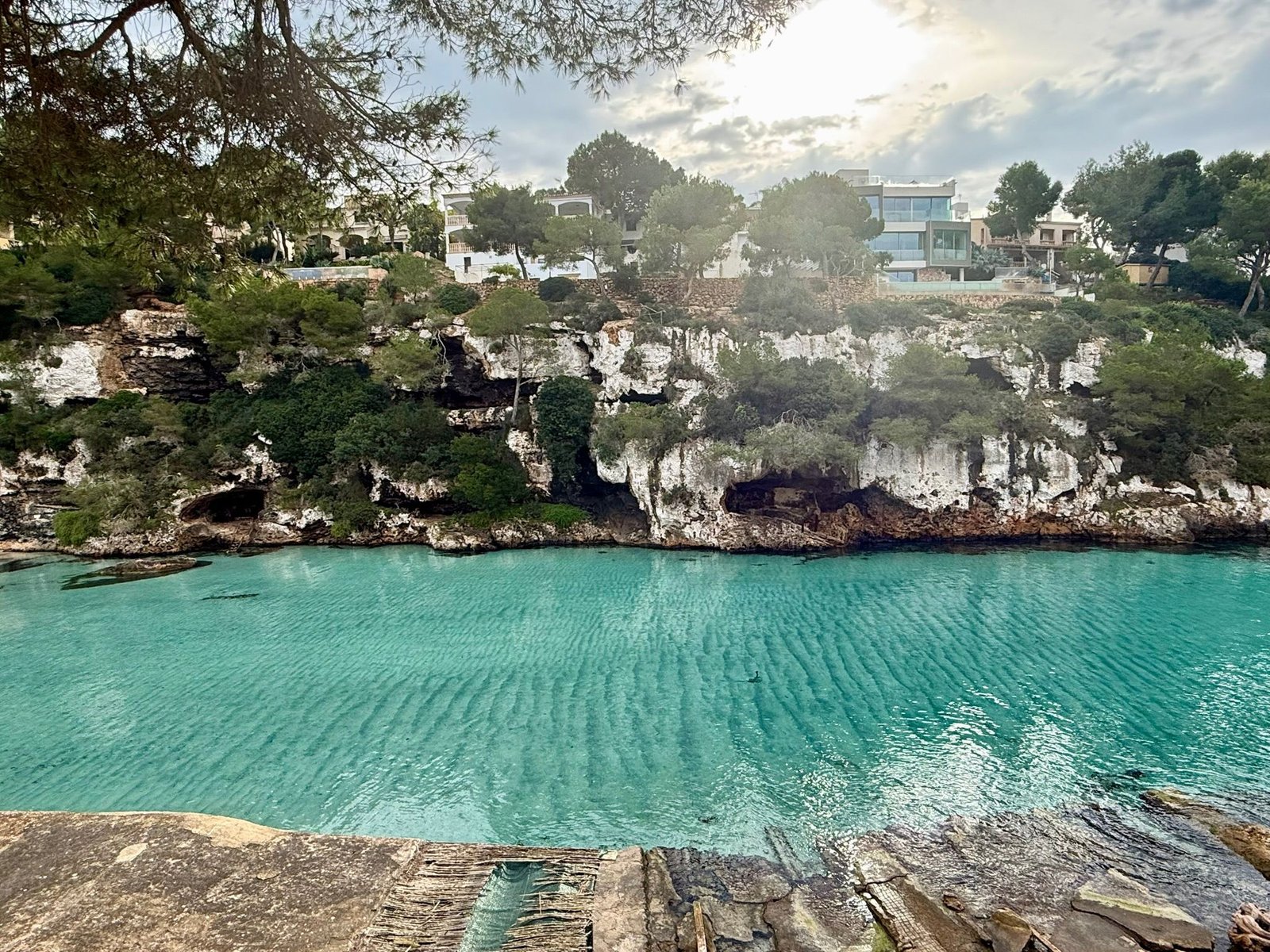
During a chilly New Year's swim at Cala Pi, the crystal clear water tricked me into believing I was alone. Instead, as I swam, hundreds of inquisitive fish appeared; the shocking cold momentarily suspended by my curiosity as we just watched each other. I, the intruder in their wintery season; they, the playful keepers of the cove. That's the feeling I'm after in community design: creating spaces where we can glimpse each other's worlds without demanding full access. Where we can remain curious without invading and share our strengths without giving up our individuality.
What systems or spaces have helped you navigate differences with others?
First published on Linkedin